


13 Ways To Give Your Immume System a Helping Hand This Winter
Winter is just around the corner, bringing colder temperatures, shorter days and the return of cosy jumpers and warm coats. It's also the time of year when respiratory infections such as colds and flu become more common. While there's no guaranteed way to avoid seasonal illnesses, there are simple steps you can take to look after your health and wellbeing throughout the colder months.
From enjoying a varied diet to getting enough sleep and staying active, discover some practical tips for making the most of winter.
Enjoy a Balanced Diet
A varied, balanced diet helps provide your body with the nutrients it needs to function normally. Fruit, vegetables, wholegrains, nuts, seeds and protein-rich foods can all form part of your everyday meals.
As a general guideline, the World Health Organization (WHO) recommends that adults eat at least 400 g of fruit and vegetables per day. Fresh, frozen and tinned varieties can all contribute to your daily intake.
Winter is also a great opportunity to explore different seasonal ingredients. Root vegetables, cabbage, apples and pears can bring plenty of variety to your favourite recipes.
Add Flavour with Herbs and Spices
Herbs and spices are a simple way to add flavour and variety to your cooking. From warming cinnamon and ginger to aromatic rosemary, thyme and turmeric, there's something to suit almost every taste.
Experiment with different combinations in homemade soups, stews and roasted vegetable dishes. Even a small pinch of your favourite seasoning can give a familiar recipe a new twist.
Get Creative with Garlic
With its distinctive aroma and flavour, garlic is a popular ingredient in kitchens around the world. Whether roasted, crushed or finely chopped, it adds character to a wide range of dishes.
Try adding garlic to homemade soups, pasta sauces, vegetable dishes or hearty winter casseroles. It's an easy way to introduce extra flavour to everyday cooking.
Stay Hydrated
Drinking enough fluids is important throughout the year, even when the weather is cold, and you don't feel particularly thirsty.
Individual fluid requirements vary depending on factors such as age, activity level and the weather. Water is a convenient everyday choice, while tea and other suitable drinks can also contribute to your fluid intake.
During the colder months, a warming cup of herbal tea or your favourite hot drink can be a particularly enjoyable way to stay hydrated.
Be Mindful of Your Sugar Intake
Winter brings plenty of opportunities to enjoy sweet treats, from homemade biscuits to festive desserts. There's no need to give up your favourites altogether, but moderation is an important part of a balanced diet.
The WHO recommends limiting the consumption of free sugars, which include sugars added to foods and drinks, as well as those naturally present in honey, syrups and fruit juices.
If you're looking for a snack, try fresh fruit, plain yoghurt with berries or a handful of nuts. There's plenty of room for variety when planning your everyday meals.
Consider Cutting Back on Alcohol
If you're thinking about adjusting some of your everyday habits this winter, reducing your alcohol intake could be worth considering.
Enjoying alcohol-free alternatives is one way to introduce more variety into your drinks selection. Sparkling water with citrus, fruit infusions and warming herbal teas are just a few options.
Whether you're spending a quiet evening at home or entertaining friends, there are plenty of drinks to enjoy without alcohol.
Keep Moving
Shorter days and chilly temperatures can make staying indoors especially tempting. However, regular physical activity remains an important part of a balanced lifestyle throughout the year.
You don't need an intensive fitness routine to get moving. A brisk walk, a bike ride, a home workout or a session of dancing can all contribute to your weekly activity.
The WHO recommends that adults aim for 150 to 300 minutes of moderate-intensity aerobic activity per week, or an equivalent amount of vigorous activity. Muscle-strengthening activities on at least two days a week are also recommended.
Choose activities that suit your fitness level, abilities and preferences. If you're just getting started, building up gradually can make exercise easier to incorporate into your routine.
Make Time for Sleep
A good night's sleep is an important part of everyday wellbeing. Getting enough rest can help you feel refreshed and ready for the day ahead.
Most adults generally need around seven to nine hours of sleep per night, although individual requirements can vary.
Try establishing a regular bedtime routine, creating a comfortable sleeping environment and allowing yourself time to unwind in the evening.
Reading a book, listening to music or enjoying a quiet moment away from screens can be pleasant ways to end the day.
Find Ways to Manage Stress
Between work, family commitments and everyday responsibilities, finding time to relax isn't always easy. Making room for activities you enjoy can be a helpful way to manage daily stress.
Whether you prefer reading, yoga, walking, listening to music or spending time on a favourite hobby, the important thing is to find something that works for you.
Even a short break during a busy day can offer an opportunity to slow down and recharge. If stress becomes difficult to manage or starts affecting your daily life, consider speaking to a qualified healthcare professional.
Wrap Up Warm
Winter weather can bring chilly winds, rain and freezing temperatures, so dressing appropriately is a good idea when heading outdoors.
Wearing several layers makes it easier to adjust to changing temperatures throughout the day. A warm coat, comfortable footwear, gloves and a scarf can make winter walks more enjoyable.
Although cold weather itself doesn't cause colds or flu, keeping warm is important for comfort and for reducing the risks associated with exposure to low temperatures.
Practise Good Hand Hygiene
Washing your hands regularly is a simple way to help reduce the spread of many infections.
Use soap and water and wash your hands thoroughly for at least 20 seconds, particularly before handling food, after using the toilet and after coughing, sneezing or blowing your nose.
It's also sensible to avoid touching your eyes, nose and mouth with unwashed hands.
As respiratory infections can also spread through the air, good ventilation in shared indoor spaces and avoiding close contact with others when you're unwell can help reduce transmission. Keeping up to date with vaccinations recommended for you is another consideration.
Stay Connected
Winter can sometimes feel a little quiet, especially when the days are shorter and outdoor activities become less appealing.
Making time for friends, family and your wider community can be an enjoyable part of your everyday routine.
Whether it's meeting someone for coffee, arranging a phone call or joining a local group, there are plenty of ways to stay connected.
And remember, you don't always need to meet in person. A video call or a thoughtful message can be a lovely way to keep in touch.
Choose Household Cleaning Products Carefully
Keeping your home clean can help create a comfortable living space, particularly when you're spending more time indoors during winter.
Different household cleaning products are designed for different purposes. When choosing a product, check its intended use, ingredients and instructions to make sure it's suitable for the task.
Always follow the manufacturer's directions for use, including recommendations on quantities, ventilation and storage. Never mix cleaning chemicals unless the manufacturer specifically confirms that doing so is safe.
If you're comparing different products, look for clear information about their ingredients, intended applications and any relevant, verifiable certifications. This can help you make an informed choice based on your individual requirements.
Enjoy the Winter Months
Looking after yourself during winter doesn't have to involve major changes to your lifestyle. Small everyday habits, such as enjoying a varied diet, staying hydrated, making time for movement, getting enough sleep and practising good hygiene, can all contribute to your general wellbeing.
Although no routine can guarantee protection against seasonal infections, finding a balance that works for you can help make the colder months more enjoyable.
So wrap up warm, enjoy your favourite winter activities and make time for the things you love. Here's to a cosy and enjoyable winter!
Latest reviews
-
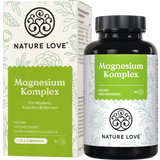
Nature Love Magnesium Complex, 90 capsules
- Non-GMO
- Magnesium dose: 400 mg
- 1 pack sufficient for 1.5 months
-
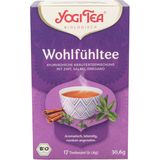
-
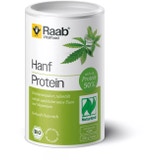
Raab Vitalfood Organic Hemp Protein Powder, 500 g
- With iron and magnesium
- With Omega 3-6-9 fatty acids
- Nutty taste
-

Novalac Premium Gold 3, 800 g
- For age 1 year & up
- With GOS & lactic acid culture
- Calcium & vitamin D
Magazine Articles:
-
Great Britain: Free standard delivery from £69.90
-
Free
returns -
We operate in a
climate-conscious manner. More than 9.600 products